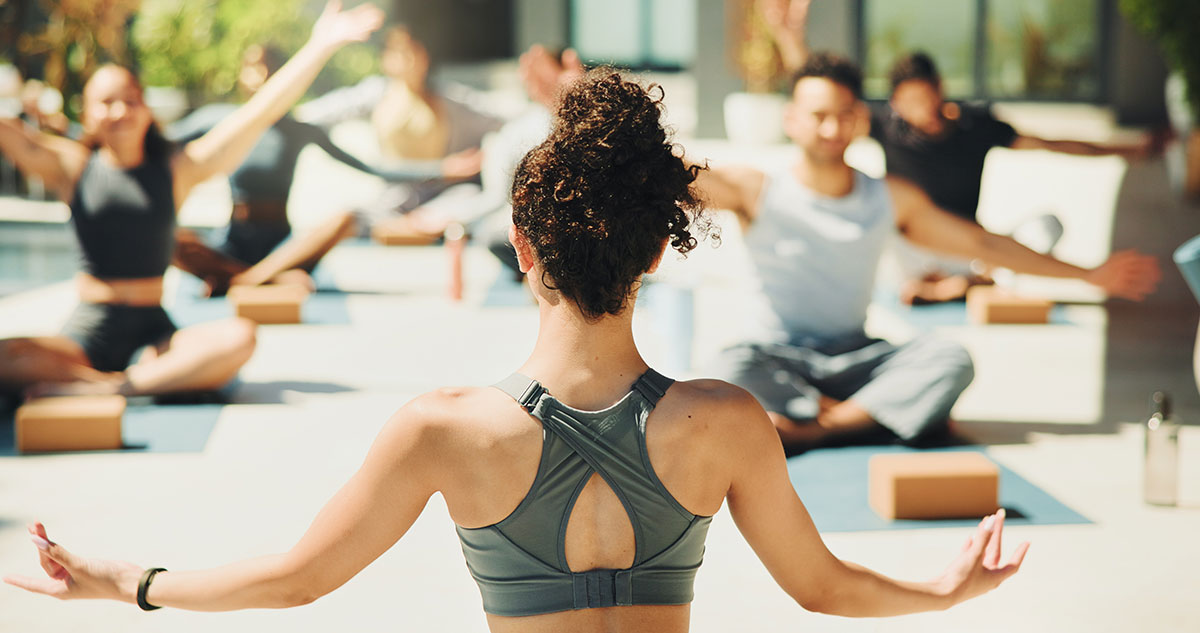
Human beings are not meant to go through life alone. We are wired for connection, for shared experiences, and for community. Over the years, I have witnessed the transformative power of people coming together, whether at a concert, a retreat, or a simple meal with friends. These shared spaces are more than physical locations—they are containers for healing, growth, and joy.
In today’s world, we are more connected digitally than ever before, but that connection often lacks depth. Social media and virtual interactions can bridge distance, but they cannot replace the energy, empathy, and human touch of being present with others. That is why creating shared spaces is not a luxury—it is essential.
Music as a Gateway to Community
Music has been my doorway into understanding the importance of collective experience. When I perform on stage, I feel the energy of the crowd. There is a give and take that cannot be replicated alone. Each person in the room contributes to the atmosphere, and in turn, they are affected by the energy of the music and the people around them.
I have seen firsthand how music can bring people together across differences. Strangers become friends, laughter is shared, tears are felt collectively, and joy multiplies. Music reminds us that healing often happens in the presence of others, in spaces where we feel seen, heard, and connected.
The Role of Intentional Spaces
Shared spaces for healing are not just about gathering. They are about creating intentional environments where people can relax, connect, and be themselves. At Soulshine Bali, for example, we design our retreats to balance movement, reflection, and community. Every detail is chosen to foster presence, safety, and connection.
Intentional spaces allow people to lower their defenses. They create an environment where vulnerability is met with empathy and support. Whether it is a yoga class, a group discussion, or a live concert, intentionality amplifies the healing potential of community.
Healing Through Presence
One of the most powerful aspects of shared spaces is presence. Just showing up for each other can be healing. When someone feels truly witnessed and supported, it can shift their perspective and release emotional weight.
During our nonprofit work with Do It For The Love, we bring people facing life-threatening illnesses, special needs challenges, or recovery from trauma to live music events. The experiences we create are not about performance alone. They are about shared presence, connection, and joy. Being seen, laughed with, and celebrated in a collective space can provide a sense of belonging that is deeply restorative.
The Importance of Rituals
Rituals enhance the healing power of community. Simple practices like group meditation, shared meals, or collective singing create rhythm and predictability that can be grounding. Rituals remind us that we are part of something larger than ourselves and that we are not alone in our struggles or celebrations.
Communal rituals can also teach patience, empathy, and compassion. When we participate in shared experiences intentionally, we begin to understand others’ perspectives and challenges. This understanding builds empathy, and empathy is one of the strongest forms of healing we can offer each other.
Combating Isolation
Isolation has become a major challenge in modern life. People face loneliness due to work pressures, social divides, or technological barriers. Isolation can harm mental health, weaken resilience, and erode hope. Shared spaces counteract this by creating opportunities for meaningful connection.
Even small gatherings can make a profound difference. A conversation around a campfire, a group music session, or a collaborative workshop can restore a sense of belonging. These moments remind us that our stories, struggles, and joys are part of a shared human experience.
Community as a Source of Resilience
Shared spaces do more than provide temporary relief. They build resilience. When people connect, share experiences, and support each other, they strengthen their ability to face life’s challenges. Community acts as a safety net, offering encouragement and perspective during difficult times.
I have seen resilience grow in community repeatedly. A group of people facing adversity together often discovers courage they did not know they had. They inspire each other, learn from each other, and carry forward lessons that extend far beyond the shared moment.
Designing Spaces for Modern Life
In a world that moves faster than ever, we need spaces where time slows down, where reflection and connection are prioritized. These spaces can take many forms: wellness retreats, concert halls, community centers, or even small, intentional gatherings in homes or parks. What matters most is the intention behind them and the care given to the people within them.
Designing for healing means thinking beyond comfort and efficiency. It means considering emotional, social, and spiritual needs. It means creating environments that invite participation, attention, and presence. It means fostering connection over distraction.
Shared Spaces as a Cultural Shift
When we prioritize shared spaces for healing, we contribute to a broader cultural shift. We move away from isolation, competition, and individualism toward empathy, collaboration, and community. This shift benefits not only individuals but society as a whole. Communities that value connection are healthier, more resilient, and more creative.
Music, hospitality, and intentional gatherings all offer ways to practice this shift. By investing in spaces that foster connection, we plant seeds of understanding, joy, and compassion that ripple outward.
Closing Thoughts
Healing is not always a solitary journey. It is often found in the presence of others, in spaces that invite authenticity, empathy, and shared joy. Shared spaces allow us to experience life together, to witness and support one another, and to discover resilience in connection.
In a world that can feel divided and fast-paced, these spaces are more necessary than ever. They remind us of our shared humanity and provide opportunities to feel seen, heard, and valued. By creating, participating in, and nurturing shared spaces, we cultivate not only individual healing but collective strength and hope.
The power of community is undeniable. Healing happens when we gather, when we listen, and when we show up for each other. In shared spaces, joy, hope, and transformation are possible, and that is a gift we all can give and receive.