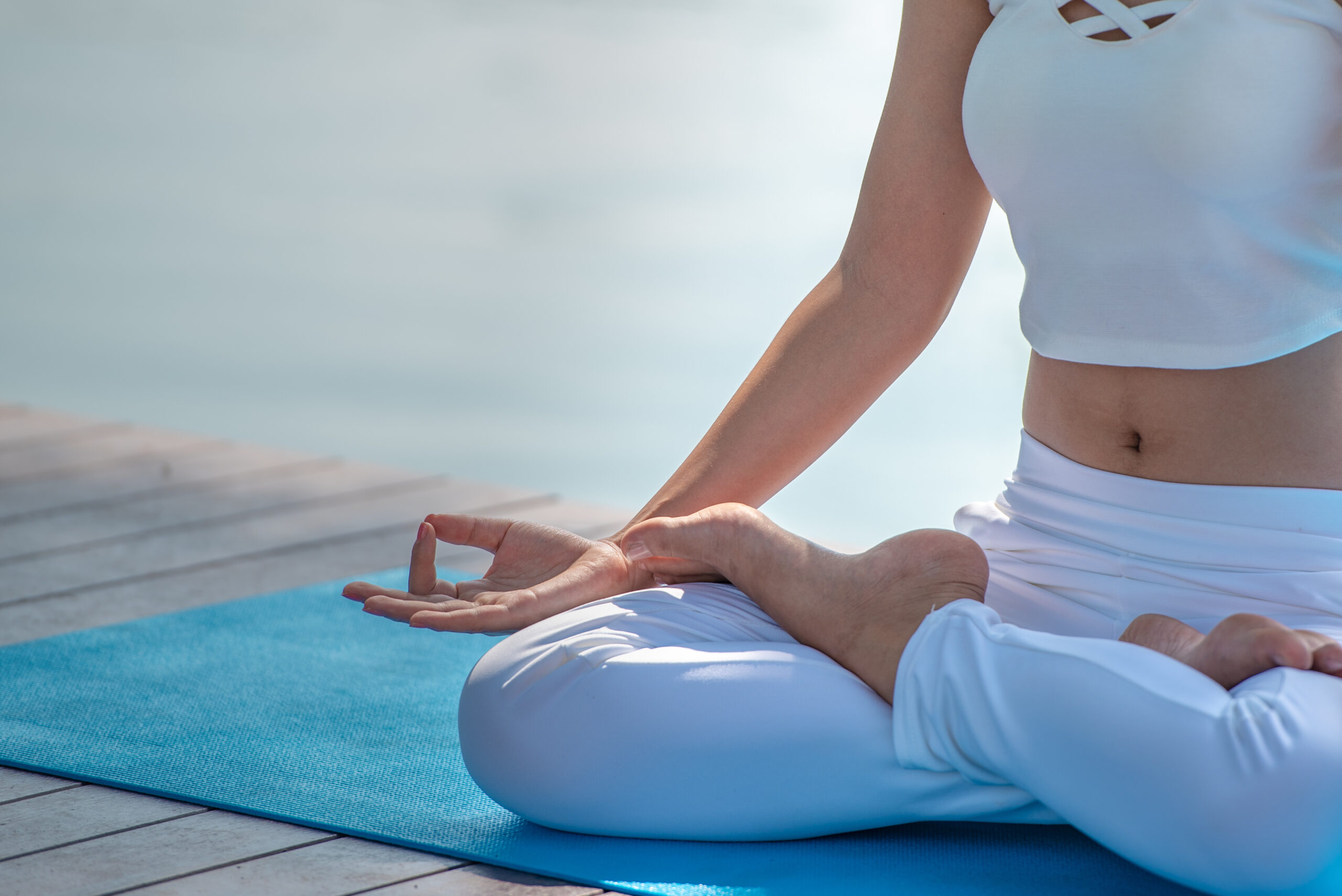
For most of my life as a musician, I thought of fitness as something that helped me perform better onstage or stay healthy on long tours. It was only later that I began to understand how deeply movement connects to emotional well-being. I discovered that when I take care of my body, my mind feels clearer, my heart feels lighter, and my spirit feels more awake. Movement is not just exercise. It is a form of medicine that touches every part of who we are.
When I skip movement for too long, I feel it. My thoughts get heavier, my patience gets shorter, and the small stresses of life feel much bigger. But when I show up for myself physically, even in simple ways, everything shifts. I breathe easier. I listen better. I feel more grounded in my emotions instead of getting swept away by them. That is why daily movement matters so much to me now. It is not about being perfect. It is about showing up with intention.
Why Movement Is More Than a Workout
There is a big difference between pushing your body to look a certain way and moving your body because it makes you feel better from the inside out. For me, movement became powerful when I stopped thinking of it as something I had to do and started seeing it as something that supports my emotional health.
Movement helps release stress that gets stored in the body. It boosts energy and clears the mind. It shifts the chemicals in the brain in ways that help us feel more balanced and open. Most important, it gives us a sense of agency. When life feels chaotic, choosing to move reminds us that we have control over our own well-being.
Some days that means a long workout. Other days it simply means stretching on the floor before bed. The point is not intensity. The point is consistency.
The Power of Yoga in Emotional Healing
Yoga came into my life during a season when I was searching for grounding. Touring had taken a toll on me. I felt disconnected from myself and from the quiet inner voice that helps me navigate life. Yoga gave me a way back.
Unlike most workouts, yoga is not just physical. It teaches you to pay attention. You notice how your breath moves. You notice how your body responds to tension or softness. You notice what thoughts come up when you slow down long enough to hear them. That kind of awareness is powerful for emotional healing.
Yoga helps bring the body and mind into the same room. It encourages acceptance instead of judgment. It invites curiosity instead of criticism. When you learn to meet your body with compassion, you begin to meet your emotions with compassion too.
There have been many moments on the mat when I found myself processing feelings I did not even know I was carrying. Sometimes it was grief. Sometimes it was frustration. Sometimes it was gratitude. Yoga made space for all of it. That is why it continues to be one of the most grounding parts of my daily routine.
Building Emotional Strength Through Consistency
Emotional strength is not just the ability to handle hard things. It is the ability to stay steady through change, to stay present in difficult conversations, and to stay hopeful even when life feels heavy. Movement builds that strength in real and practical ways.
Every time you show up for yourself physically, even when you do not feel like it, you reinforce resilience. You teach your body and mind that you can keep going. You learn how to breathe through discomfort instead of avoiding it. You practice patience, determination, and mindfulness. These qualities carry into every part of life.
It is the same principle I use onstage. When I prepare well physically, I can show up emotionally for the people who come to experience the music. When I skip that preparation, I feel scattered. The same goes for daily life. Movement anchors me so I can give more of myself to the people and moments that matter.
How Small Daily Habits Make a Big Difference
People often think they need an hour at the gym or a full yoga session to feel the benefits of movement. The truth is that small doses add up. Five minutes of stretching in the morning can change the tone of your day. A short walk can reset your focus. A few deep breaths can calm the nervous system.
The key is creating simple habits that support emotional balance. Here are a few that work well for me:
• Move your body before looking at your phone
• Do a short stretch or yoga flow before bed
• Take slow intentional breaths during stressful moments
• Go for a walk whenever your thoughts feel stuck
• Dance in your kitchen whenever you need a spark of joy
These habits may seem small, but they become powerful when repeated consistently. Over time, they create a foundation of emotional stability that helps you face life with more courage and presence.
Movement as a Path Back to Yourself
What I love most about movement is that it brings me back to myself. No matter how busy life becomes, no matter how many emotions I am juggling, movement gives me a place to return to. It helps me feel grounded. It helps me feel connected. It helps me feel alive.
Movement reminds us that healing does not always require big breakthroughs. Sometimes it simply requires coming back to the body, listening to what it needs, and giving it the care it deserves. When we do that, emotional clarity follows.
A Daily Practice for a Steady Heart
If there is one thing I hope people take away from my journey, it is that movement is not just about fitness. It is about emotional health, spiritual grounding, and the simple act of showing up for yourself. You do not have to be an athlete or a yogi. You only have to be willing.
Consistency builds emotional strength. Vulnerability deepens that strength. And movement ties it all together.
When we move our bodies, we move our emotions too. And in that movement, we find healing, resilience, and a clearer path back to joy.